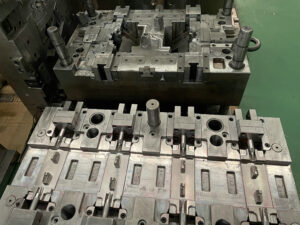
Precision Hot Runner Mold Manufacturing in China

Engineering-Driven Hot Runner Mold Solutions for Stable Mass Production
CNMOULDING specializes in precision hot runner mold manufacturing for automotive, medical, electronics, and industrial injection molding applications.
Our engineering team develops high-performance hot runner tooling solutions focused on:
- Stable high-volume production
- Faster molding cycles
- Improved cavity balance
- Reduced material waste
- Better cosmetic surface quality
- Lower long-term manufacturing cost
We support complex hot runner mold projects including:
- Valve gate systems
- Multi-cavity molds
- Thin-wall injection molds
- High-gloss cosmetic parts
- Engineering resin applications
- Precision dimensional molding
With extensive experience in mold flow analysis, DFM optimization, cooling system engineering, and precision machining, we help OEM manufacturers and Tier suppliers improve production efficiency and long-term mold stability.
Hot Runner Mold Engineering Capabilities
Our tooling team provides complete hot runner mold engineering support from product analysis to mass production validation.
Capabilities include:
- Hot runner mold design
- Valve gate system integration
- Mold flow simulation
- Cooling optimization
- High cavitation tooling
- Multi-cavity balance analysis
- Thin-wall molding support
- Precision gate design
- High-speed production tooling
- Engineering resin processing
We manufacture molds for demanding production environments requiring stable dimensional control and consistent molding performance.
Production Challenges We Help Solve
Hot runner systems improve manufacturing efficiency, but poor thermal balance or improper tooling design can create significant production instability.
Our engineering team helps customers solve issues including:
- Gate stringing
- Drooling
- Uneven cavity filling
- Cosmetic flow marks
- Weld lines
- Sink marks
- Flash caused by thermal imbalance
- Resin degradation
- Pressure imbalance
- Inconsistent cavity performance
Through mold flow optimization and precision tooling engineering, we improve:
- Melt flow balance
- Thermal stability
- Filling consistency
- Cooling efficiency
- Gate performance
- Long-term mold reliability
Our goal is to reduce production downtime while improving part consistency and cycle stability.
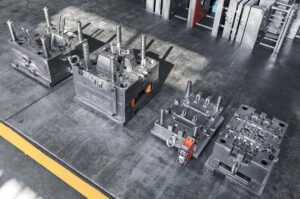
Hot Runner System in Injection Molding
Valve Gate Hot Runner Mold Solutions
For cosmetic and precision molding applications, valve gate systems provide better process control and improved surface quality.
Valve gate tooling is widely used for:
- Automotive interior components
- Medical device housings
- Consumer electronics
- High-gloss plastic parts
- Multi-cavity precision molds
Benefits of valve gate systems include:
- Reduced gate vestige
- Better filling control
- Improved cosmetic appearance
- Lower weld line visibility
- More stable cavity balance
- Better dimensional consistency
Our engineering team optimizes valve gate timing and thermal control based on product geometry, resin characteristics, and production requirements.
Multi-Cavity Hot Runner Mold Manufacturing
For high-volume production programs, balanced multi-cavity hot runner systems are critical for stable manufacturing performance.
We design and manufacture multi-cavity molds focused on:
- Uniform filling balance
- Consistent part weight
- Reduced cycle variation
- Stable cavity pressure
- Optimized cooling performance
- Long-term production reliability
Applications include:
- Automotive connectors
- Medical disposable components
- Packaging products
- Electronic housings
- Industrial plastic parts
Our engineering approach minimizes cavity-to-cavity variation and improves overall production efficiency.
DFM & Mold Flow Optimization
Successful hot runner tooling begins with engineering analysis before mold manufacturing starts.
Our DFM and mold flow engineering process helps optimize:
- Gate location
- Weld line position
- Filling balance
- Pressure distribution
- Cooling channel layout
- Shrinkage behavior
- Air trap reduction
- Resin flow consistency
Mold flow simulation allows our engineers to identify production risks early and improve tooling performance before steel cutting begins.
This reduces:
- Tool modification cost
- Production instability
- Mold trial iterations
- Manufacturing risk
Hot Runner Mold Solutions for Automotive Applications
We manufacture automotive hot runner molds for:
- Interior trim components
- Sensor housings
- Automotive connectors
- EV plastic components
- Functional structural parts
- Class A surface parts
Automotive projects require:
- Tight dimensional consistency
- Stable long-cycle production
- High cosmetic standards
- Engineering resin compatibility
- Reliable cavity balance
Our tooling solutions are developed to support automated production environments and demanding OEM quality requirements.
Medical Hot Runner Mold Engineering
Medical molding applications require extremely stable processing conditions and precision cavity control.
We support medical hot runner mold projects involving:
- Diagnostic device housings
- Disposable medical products
- Laboratory plastic components
- Precision medical enclosures
Key engineering focus includes:
- Thermal consistency
- Material stability
- Multi-cavity balance
- Low contamination risk
- High repeatability
- Precision valve gate control
Our engineering process helps improve long-term production reliability for regulated manufacturing environments.
Engineering Resin Experience
We support hot runner tooling for a wide range of engineering plastics including:
- PA66 GF
- PBT
- PPS
- PC/ABS
- PEEK
- ABS
- PP
- TPU
- TPE
Different materials require different thermal management strategies and gate designs.
Our engineering team optimizes tooling structure and processing conditions based on resin characteristics and production requirements.
Precision Mold Manufacturing Capability
Our Shanghai manufacturing facility supports complete in-house mold production.
Equipment capabilities include:
- High-speed CNC machining
- EDM processing
- Wire cutting
- Precision grinding
- Mold assembly
- Mold testing
- CMM dimensional inspection
We focus on precision tooling accuracy, stable mold structure, and long-term production durability.
Quality Control & Mold Validation
Every hot runner mold project undergoes strict engineering verification before shipment.
Our validation process includes:
- Mold trial analysis
- Dimensional inspection
- Gate performance verification
- Cavity balance evaluation
- Cooling performance testing
- Cosmetic surface inspection
We work closely with customers during T1 and T2 mold trials to optimize molding performance before mass production.
When Hot Runner Systems Are Recommended
Hot runner molds are typically recommended for:
- High-volume production
- Multi-cavity tooling
- Engineering resin applications
- Cosmetic appearance parts
- Thin-wall molding
- Automated production lines
- Tight cycle time requirements
- Low material waste targets
For high-output manufacturing environments, properly engineered hot runner systems significantly improve production efficiency and long-term cost performance.
Why Choose CNMOULDING
Global customers choose CNMOULDING because of our:
- Engineering-focused tooling approach
- Automotive & medical project experience
- DFM and mold flow expertise
- Precision machining capability
- Stable production tooling quality
- Responsive technical communication
- Competitive tooling cost
- International project support
We help customers reduce tooling risk while improving production stability and manufacturing efficiency.
FAQ
Can you support valve gate hot runner molds?
Yes. We design and manufacture valve gate hot runner molds for automotive, medical, electronics, and precision industrial applications.
Do you provide mold flow analysis before tooling production?
Yes. We perform mold flow simulation and DFM analysis to optimize gate location, filling balance, cooling layout, and production stability before steel cutting begins.
What industries do you support?
We support automotive, medical, electronics, packaging, consumer products, and industrial manufacturing projects.
Can you manufacture multi-cavity hot runner molds?
Yes. We specialize in balanced multi-cavity hot runner tooling for high-volume production applications.
What engineering plastics do you support?
We support PP, ABS, PA66 GF, PBT, PPS, PC/ABS, TPU, TPE, PEEK, and other engineering-grade thermoplastics.
Start Your Hot Runner Mold Project
Looking for a reliable hot runner mold manufacturer in China?
CNMOULDING provides:
- Precision hot runner tooling
- Valve gate mold systems
- Multi-cavity mold manufacturing
- Automotive & medical mold engineering
- Mold flow optimization
- Injection molding production support
Contact our engineering team today for technical evaluation and fast quotation support.
- 24-Hour Engineering Response
- Professional DFM Support
- Precision Mold Manufacturing
- Strict Quality Control
- Worldwide Export Experience
Email: webmaster@cnmoulding.com
Phone: +86-21-52913487