2026年7月6日星期一

How to Solve Sink Marks and Voids in Injection Molding: A Scientific Guide to Defect Rectification


In precision injection molding, maintaining dimensional accuracy and surface integrity is paramount. One of the most common aesthetic and structural challenges engineers face is the appearance of sink marks (surface depressions) and vacuum voids (internal holes).

From a polymer physics standpoint, the root cause of these defects is volumetric shrinkage during the cooling phase. As molten plastic transitions to a solid-state, its density increases, causing it to shrink. If this shrinkage is not properly compensated for by packing additional material into the cavity, depressions form on the outer surface, or voids develop internally.

Because the precise location of the defect points to different root causes, troubleshooting requires a targeted approach. Below is a scientific analysis and actionable solutions based on defect location.

1. Sink Marks Far from the Gate or at the Last-to-Cool Thick Sections

Root Cause Analysis

When sink marks or voids occur in heavy-walled sections or at areas furthest from the injection gate (the end of fill), it is typically caused by a drastic drop in cavity pressure.

As the plastic melt travels through the cavity, its temperature drops, causing an increase in effective viscosity. This high viscosity amplifies pressure loss along the flow path. Consequently, the packing pressure cannot effectively reach these remote or thick-walled zones, resulting in insufficient material compensation during the volumetric shrinkage phase.

Technical Solutions

  • Increase Packing Pressure & Time: Elevate the holding/packing pressure to force more material into the far ends of the cavity before the gate freezes.
  • Optimize Injection Speed: Increase the initial injection rate. Faster filling maintains higher melt temperatures and reduces effective viscosity, allowing pressure to transfer more efficiently to the end of the fill.
  • Adjust Melt/Mold Temperature: Moderately increase the melt or mold temperature to improve flow length and pressure transmission, provided it does not excessively prolong the overall cycle time.
  • Modify Product/Mold Design: If the issue persists, review the wall thickness. Implement a thickness ratio where the nominal wall transit smoothly to thick sections, or relocate/add gates closer to the thick-walled zone.

2. Sink Marks or Voids Located Near the Gate Area

Root Cause Analysis

Counterintuitively, surface depressions can also manifest directly adjacent to the gate. This phenomenon is almost exclusively driven by premature gate freezing failure or backflow.

Ideally, the holding pressure must be maintained until the gate solidifies (freezes), sealing the polymer inside the cavity. If the gate does not freeze properly, the pressurized melt inside the cavity will actually backflow into the runner system once the holding pressure drops. The primary drivers for delayed gate freezing are elevated temperatures (which lower effective viscosity) or a premature cut-off of the packing profile. Excessively high mold temperatures around the gate area also severely delay solidification.

Technical Solutions

  • Extend Holding (Dwell) Time: Ensure that the packing/holding time strictly exceeds the gate freeze time. Perform a gate freeze study (weight-measurement test) to determine the exact solidification point.
  • Optimize Thermal Management: Lower the mold temperature specifically near the gate area by optimizing the cooling channel layout. Lowering the overall melt temperature slightly can also accelerate freezing.
  • Adjust Packing Pressure Profile: Maintain a stable holding pressure curve to counteract backflow until the gate is completely solid.
  • Enlarge Gate Size: If the gate geometry is too restricted, it may cause localized shear heating, keeping the core molten for too long. Optimizing the gate cross-section can help achieve balanced solidification.

3. Crucial Engineering Note: Differentiating Voids from Gas Bubbles

In troubleshooting, vacuum voids (holes) and gas bubbles are frequently misdiagnosed because they can look identical to the naked eye. However, their root causes and solutions are completely opposite:

FeatureVacuum Voids (Holes)Gas Bubbles (Blisters)
Internal PhysicsContains a vacuum (negative pressure).Contains trapped gas/air (positive pressure).
Root CauseCaused purely by localized volumetric shrinkage in thick sections pulling the material outward.Caused by trapped air, volatiles, or degraded resin gases that cannot escape the cavity.
Diagnostic TestThe Heat Test: Gently heat the defective area with a heat gun. If the surface sinks further, it is a void.If the surface swells or blisters upward upon heating, it is a gas bubble.
Primary SolutionIncrease packing pressure, extend cooling, or reduce wall thickness.Improve mold venting, dry the material thoroughly, or reduce injection speed to prevent air entrapment.

Partner with a Precision Molding Expert

Resolving shrinkage defects requires a deep understanding of scientific molding principles. At China Mold Maker, we utilize advanced Moldflow simulation analysis during the DFM phase to accurately predict shrinkage behavior, optimize gate placement, and design high-efficiency cooling channels before steel cutting even begins.

Contact our engineering team today to optimize your part design and eliminate molding defects from your production line.

We offer transparent plastic product solutions


transparent plastic product solutions

High-Quality Transparent Plastic Product Solutions: Overcoming Molding Challenges with Precision Engineering

At CNMOULDING, we specialize in providing premium transparent plastic product solutions. In China and globally, transparent injection-molded parts are essential across demanding sectors, including automotive, medical devices, optics & lighting, consumer electronics, and high-end cosmetics packaging.

While conventional plastic molding focuses primarily on structural integrity, transparent molding demands absolute optical clarity and flawless aesthetics. We typically work with high-performance transparent materials such as PC, PMMA (Acrylic), MS, AS, and PET.

1. The Challenges & Technical Difficulties in Transparent Plastic Molding

Achieving crystal-clear perfection is highly complex. Transparent materials are unforgiving; even the slightest variation in temperature, pressure, or environment can result in defects that compromise both appearance and function. The primary technical challenges include:

  • Strict Material Purity: Transparent resins have poor thermal stability and are highly sensitive to contamination. Any trace of dust, moisture, or cross-contamination from other polymers will cause black spots, cloudiness, or silver streaks.
  • Poor Material Fluidity: Materials like PC and PMMA have high viscosity (poor fluidity). This requires higher injection temperatures and pressures, which can easily trigger thermal degradation or high internal stress.
  • Severe Defect Visibility: Unlike colored plastics that can hide internal flaws, transparent parts immediately expose defects such as bubbles, shrink cavities, silver streaks (crazing), weld lines, and flow marks.
  • High Internal Stress: High pressure during filling can lock internal stresses into the part, leading to cracking (stress crazing) during post-processing or end-use.

2. Our Core Technical Points & Defects Control Solutions

To eliminate these common defects and dramatically reduce the reject rate (defect rate), our engineering team utilizes advanced technologies and strict process control across three critical phases:

A. Advanced Mold Design & Precision Manufacturing

  • Optimized Gating & Venting System: We design generous, precisely positioned gates (often using fan gates or tab gates) to prevent jetting and minimize shear stress. Advanced, high-efficiency venting systems are integrated to eliminate trapped air, preventing burn marks and bubbles.
  • Mirror-Finish Polishing: Transparent parts require an flawless mold surface. We employ ultra-precision optical polishing (SPI A1/A2 standard) to ensure a mirror finish on the mold cavity, which directly translates to maximum light transmittance.
  • Conformal Cooling Channels: To prevent uneven shrinkage and deformation, we utilize advanced 3D-printed conformal cooling channels in the mold. This ensures uniform temperature distribution and rapid, balanced cooling.

B. Strict Raw Material Management

  • Dedicated Drying Systems: We use high-efficiency desiccant dehumidifying dryers to ensure the moisture content of materials like PC/PMMA is strictly controlled under 0.02% before molding, eliminating silver streaks.
  • Dust-Free Feeding Environment: Our raw material handling and feeding processes are completely sealed to prevent any airborne contamination.

C. Precision Injection Molding Process Control

  • Multi-Stage Slow-to-Fast Injection: We use modern, high-precision injection molding machines with closed-loop control. Implementing a precise multi-stage injection speed and holding pressure curve effectively prevents flow marks and shrink defects.
  • Scientific Temperature Tuning: We precisely balance the barrel temperature and mold temperature (often using high-temperature mold controllers) to maximize material fluidity while preventing thermal degradation.
  • Annealing Post-Treatment: For parts with unavoidable internal stress (such as thick-walled PC parts), we perform controlled oven annealing to relieve stress and prevent future cracking.

3. Our Comprehensive Product & Industry Solutions

Leveraging our technical expertise, we provide tailor-made solutions across various high-end industries:

  • Automotive Components: We work closely with leading automotive companies to engineer innovative, durable solutions including headlight/taillight lenses, light guides, and transparent interior trim components that meet rigorous safety, UV-resistance, and impact standards.
  • Medical & Pharmaceutical: We produce high-transparency, biocompatible parts such as syringes, diagnostic cuvettes, and medical packaging, strictly adhering to medical-grade hygiene standards.
  • Optics & Lighting: High-precision lenses and diffuser covers designed for optimal light transmittance and minimal distortion.
  • Premium Packaging & Construction: Lightweight, durable, and shatter-resistant transparent solutions, including premium cosmetic containers, pharmaceutical packaging, as well as high-strength architectural skylights and windows with excellent thermal insulation.

Why Partner with Us?

At our company, we don’t just manufacture parts—we provide comprehensive engineering solutions. From initial part design optimization (DFM) and mold flow analysis (Moldflow) to precision mold making and automated clean-room injection molding, we ensure your project is executed flawlessly.

By partnering with us, you benefit from lower defect rates, optimized production costs, and shorter time-to-market.

Ready to elevate your transparent plastic project? Contact our team of experts today for a professional DFM analysis and customized technical consultation.

TPE Injection Molding & Tooling Solutions


TPE performance
TPE performance

Maximizing Product Performance with TPE Injection Molding: The Tooling & Processing Guide

In the world of modern plastics manufacturing, TPE (Thermoplastic Elastomer) has become a premier material choice for industries requiring a seamless blend of rubber-like flexibility and plastic-like processability. From transparent consumer toys and ergonomic sports equipment to robust automotive seals and biocompatible medical devices, TPE delivers exceptional versatility.

However, achieving high-precision TPE components requires more than just high-quality resin—it demands expert mold design and a deep understanding of injection molding physics. With decades of hands-on experience in precision mold making and custom injection molding, we help global OEMs optimize their TPE parts for manufacturability, durability, and cost-efficiency.

Key Performance Characteristics of TPE

TPE bridges the gap between traditional vulcanized rubber and easily processable thermoplastics. When engineering TPE parts, we optimize our manufacturing processes around its core material advantages:

  • Superior Elasticity & Elongation: TPE can be stretched up to 700% of its original length while maintaining excellent fatigue resistance and high resilience, returning perfectly to its original shape.
  • Wide Temperature & Weather Resistance: Operating seamlessly across a broad thermal range from -60°C to 135°C, TPE offers outstanding UV, ozone, and chemical resistance, making it ideal for harsh outdoor and automotive environments.
  • Excellent Surface Aesthetics & Tactile Feel: It provides a premium, soft-touch grip, non-slip texture, and flawless colorability, greatly enhancing the ergonomic value of consumer goods.
  • Eco-Friendly & Sustainable: Unlike thermoset rubber, TPE requires no vulcanization, significantly reducing cycle times. It is 100% recyclable, non-toxic, and safe for medical and food-contact applications.

Advanced TPE Tooling & Processing Options

A successful TPE project relies heavily on the quality of the injection mold. TPE behaves differently than rigid plastics like ABS or Polycarbonate under heat and pressure. Shrinkage tracking, venting, and gating style must be meticulously calculated during the mold design phase.

Our factory offers two primary manufacturing routes for TPE:

1. Standalone Injection Molding

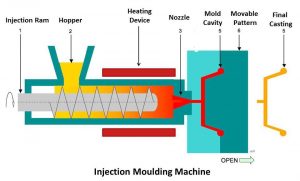
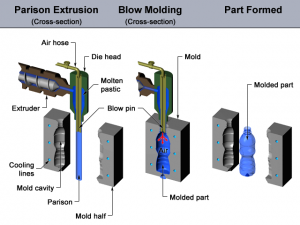
TPE can be molded as a single, independent part using conventional injection molding, extrusion, or blow molding. Because TPE has high melt elasticity, our engineering team designs precision tooling with optimal runner configurations and specialized gating to prevent material shearing, flashing, or cosmetic defects.

2. Multi-Component Overmolding & Insert Molding

One of TPE’s greatest industrial strengths is its ability to be overmolded onto a rigid plastic substrate to create a soft-grip handle, seal, or protective bumper. We specialize in designing and manufacturing multi-cavity overmolding tools that ensure superior cohesive bonding between TPE and a wide range of substrates, including:

  • PP & PE (Polyolefins)
  • PC, ABS, & PC/ABS blends
  • PS & SAN

Our precision tooling ensures that the parting lines are perfectly sealed during the second-shot injection, preventing flash on the rigid substrate and ensuring a clean, premium finish.

Industry Applications

By combining our advanced tooling capabilities with premium TPE properties, we deliver high-precision components across diverse sectors:

  • Consumer Goods & Electronics: Transparent toys, sports equipment handles, kitchenware grips, and protective device cases.
  • Automotive Components: High-durability weather seals, interior gaskets, dust covers, and flexible hoses that withstand oil and extreme under-hood temperatures.
  • Medical Devices: Biocompatible, non-toxic components such as syringe tips, catheter parts, flexible valves, and surgical instrument grips.

Why Partner with Us for Your TPE Projects?

With decades of specialized experience in precision injection mold manufacturing and molding services, we bridge the gap between complex product designs and flawless physical production.

We don’t just run your parts; our engineering team reviews your Wall Thickness uniformity, Draft Angles, and Gate Placement to minimize sink marks and cycle times before the tool steel is cut. Whether you need a complex two-shot overmold tool or high-volume standalone TPE production, our micron-level manufacturing tolerances guarantee consistent, world-class quality.

Ready to start your next TPE project? Contact our engineering team today for a comprehensive DFM (Design for Manufacturability) analysis and a competitive tooling quote.