Key Principles for High-Quality Injection Mold Manufacturing
Plastic injection mold design is one of the most critical steps in the entire injection molding manufacturing process. A well-designed mold ensures consistent product quality, stable production cycles, and long mold life. Poor mold design, however, can lead to costly defects such as warpage, flash, sink marks, or short shots.
For companies developing plastic products, understanding the fundamentals of plastic injection mold design can help reduce development risks and improve manufacturing efficiency.
At CNMOULDING, a Shanghai-based injection mold manufacturer established in 1997, our engineering team has designed and manufactured hundreds of molds for customers in automotive, medical, electronics, and industrial industries. With more than 25 years of mold manufacturing experience and certifications including ISO9001 and ISO13485, we understand how critical proper mold design is for successful production.
This guide explains the key principles of injection mold design and how manufacturers optimize molds for precision and efficiency.
What Is Plastic Injection Mold Design
Plastic injection mold design refers to the engineering process of creating a mold structure that shapes molten plastic into finished parts during the injection molding process.
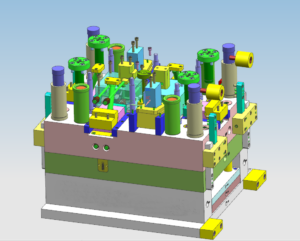
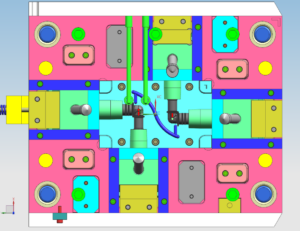
A typical injection mold consists of several major components:
cavity and core
runner system
gate system
cooling channels
ejector system
mold base structure
Each component must be carefully designed to ensure smooth plastic flow, proper cooling, and reliable part ejection.
Even small design errors can lead to production defects or inefficient manufacturing cycles.
Key Factors in Injection Mold Design
Several engineering factors must be considered when designing a plastic injection mold.
Part Geometry
The geometry of the plastic part has the greatest impact on mold design.
Designers must consider:
wall thickness
ribs and bosses
undercuts
draft angles
Complex part geometry may require additional mold mechanisms such as sliders or lifters.
Proper design optimization at this stage helps avoid unnecessary mold complexity and reduces tooling cost.
Wall Thickness
Uniform wall thickness is essential for high-quality molded parts.
If the wall thickness varies significantly across the part, the plastic may cool unevenly, which can cause:
internal stress
Most plastic parts are designed with wall thickness between 1.5 mm and 3 mm, depending on the material and application.
Maintaining consistent thickness helps improve molding stability and reduce cycle time.
Mold design
Draft Angles
Draft angles allow molded parts to be easily ejected from the mold cavity.
Without sufficient draft, parts may stick to the mold, leading to surface damage or production interruptions.
Typical draft angle guidelines include:
1°–2° for smooth surfaces
2°–3° for textured surfaces
Proper draft design improves production efficiency and extends mold life.
Gate Design
The gate is the entry point where molten plastic flows into the mold cavity.
Gate design directly affects:
filling balance
part appearance
internal stress
Common gate types include:
edge gate
pin gate
submarine gate
hot runner gate
Selecting the correct gate type helps ensure stable filling and high-quality molded parts.
Plastic Injection Mold Design
Cooling System Design
Cooling channels are responsible for removing heat from the molten plastic after injection.
Efficient cooling design is essential because cooling accounts for more than 60% of the injection molding cycle time.
A well-designed cooling system provides:
uniform temperature distribution
shorter cycle times
reduced part deformation
Advanced mold manufacturers often use Moldflow simulation to optimize cooling channel placement.
Real Case Study: Consumer Electronics Housing Mold
A European consumer electronics company contacted our engineering team in Shanghai to develop an injection mold for a smart device housing.
Project Details
Material: ABS
Part size: 180 mm enclosure
Production volume: 500,000 units per year
Initial Design Challenges
The original product design contained several thick rib structures and uneven wall thickness. During simulation analysis, these features were predicted to cause significant sink marks and potential warpage.
If the mold had been manufactured directly from this design, production stability would likely have been compromised.
Engineering Optimization
Our design engineers conducted a DFM (Design for Manufacturing) analysis and proposed several improvements:
optimized rib thickness
adjusted wall thickness distribution
redesigned gate location
Moldflow simulation was used to verify the improved design before mold manufacturing.
Final Results
After design optimization:
sink mark defects were eliminated
mold cycle time was reduced
production stability improved significantly
The customer successfully launched the product and achieved reliable mass production.
This case demonstrates how proper injection mold design can significantly improve manufacturing performance.
Common Injection Mold Design Mistakes
During product development, several design mistakes often lead to molding problems.
Common issues include:
Uneven Wall Thickness
Leads to warpage and sink marks.
Insufficient Draft Angles
Causes parts to stick inside the mold.
Poor Gate Location
Results in incomplete filling or cosmetic defects.
Inadequate Cooling Design
Leads to longer cycle times and part deformation.
Working with experienced mold designers can help avoid these issues early in the development process.
Why Experienced Mold Design Matters
Injection mold design requires deep knowledge of both plastic materials and manufacturing processes.
At CNMOULDING, our engineering team evaluates each project based on:
product geometry
material properties
production volume
mold life requirements
Our factory in Shanghai provides complete services including:
injection mold design
mold manufacturing
plastic injection molding production
quality inspection and testing
With over 25 years of experience and certifications including ISO9001 and ISO13485, we support customers worldwide with reliable mold manufacturing solutions.
Start Your Injection Mold Project
If you are developing a new plastic product and need professional support for plastic injection mold design, our engineering team can help review your design and recommend the most efficient manufacturing solution.
Contact our Shanghai team today to discuss your project and receive expert assistance for mold design and injection molding production.

没有评论:
发表评论